

If you are diving into a 4.6L Modular engine rebuild, choosing the right block is one of the most critical decisions you will make. Produced at two distinct facilities—Romeo and Windsor—these Ford performance parts may share a 4.6-liter displacement, but key structural differences determine compatibility for your project. At ModMax Racing, we break down what you need to know before buying your Ford parts. Get started today.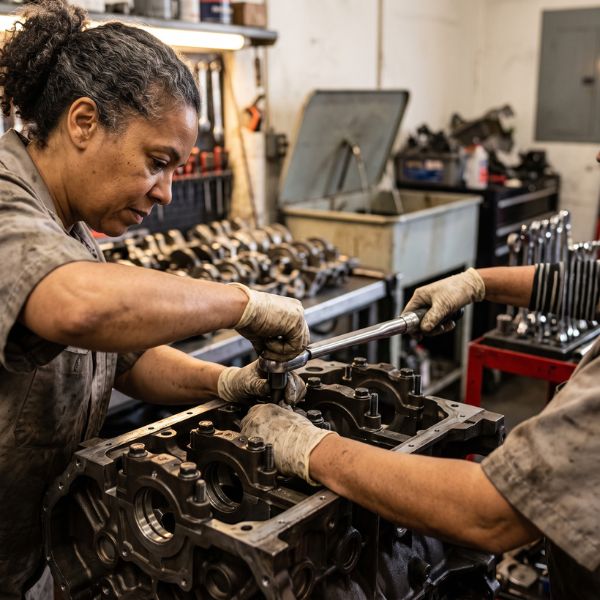
The most notable structural distinction between the two blocks lies in how the main caps are secured. Romeo blocks utilize two main bolts along with two cross-bolts (using side jackscrews) to lock the main caps rigidly in place. In contrast, Windsor blocks feature two main bolts with press-fit side dowels and cross-bolts. Romeo's adjustable jackscrew design makes main cap alignment more forgiving during high-horsepower rebuilds.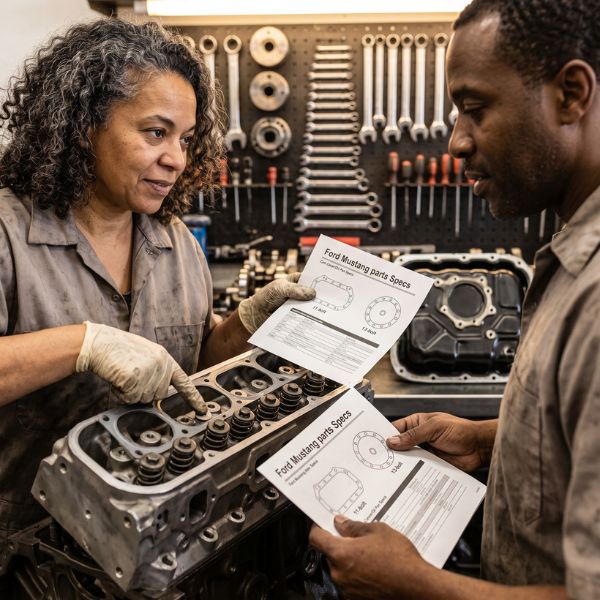
When sourcing Ford Mustang parts, pay close attention to bolt count variations. Romeo cylinder heads typically feature an 11-bolt valve cover pattern, whereas Windsor heads utilize a 13-bolt pattern. Additionally, oil pan bolt counts can vary between plants and model years. Verifying these exterior mounting points ensures your gaskets and accessories line up seamlessly without standard alignment headaches.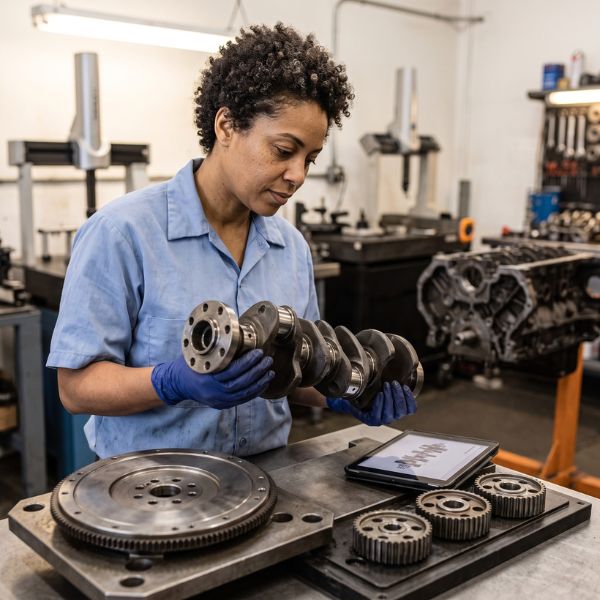
Factory crankshaft configurations differ between factories. Windsor 4.6L engines generally come standard with an 8-bolt flywheel/flexplate flange, ideal for heavy-duty applications. Most cast Romeo cranks feature a 6-bolt flange (with rare exceptions on select Performance Improvement engines). Furthermore, timing cover bolt diameters and cam gear attachment styles (press-on vs. bolt-on) vary, requiring specific Ford replacement parts to complete your long-block assembly.
Whether you build a high-rpm Romeo machine or a rugged Windsor setup, knowing these historical block differences prevents costly mistakes. Equip your next 4.6L Modular build with premium components from ModMax Racing to maximize strength, durability, and track-tested power. Browse online today.